
1. Market Outlook
The global textile market sees mild yet uneven recovery in 2026. Europe, America and Africa maintain steady growth, while Asian production areas face slow expansion. Global procurement now prioritizes risk diversification over low cost, forming a multi-base supply chain pattern of China, Southeast Asia and Central and Eastern Europe. China’s complete industrial chain still supports stable global industry operation.
2. Material Innovation
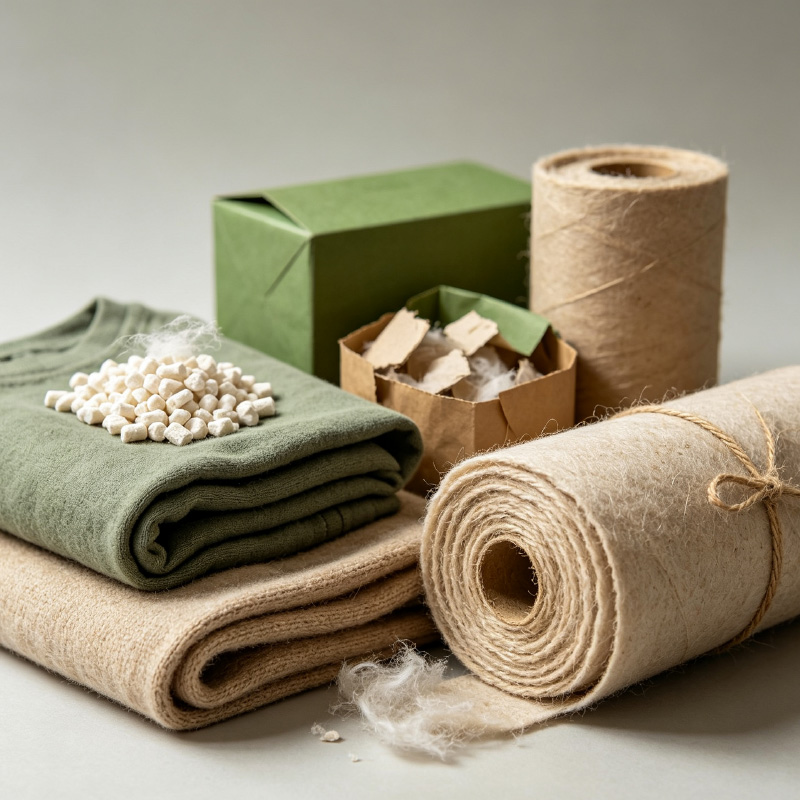
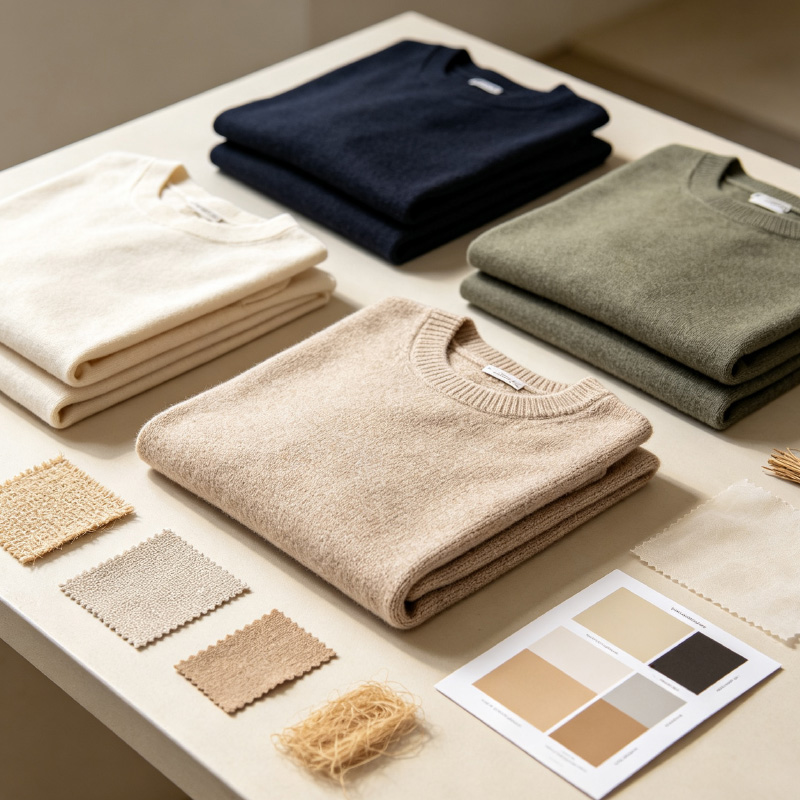
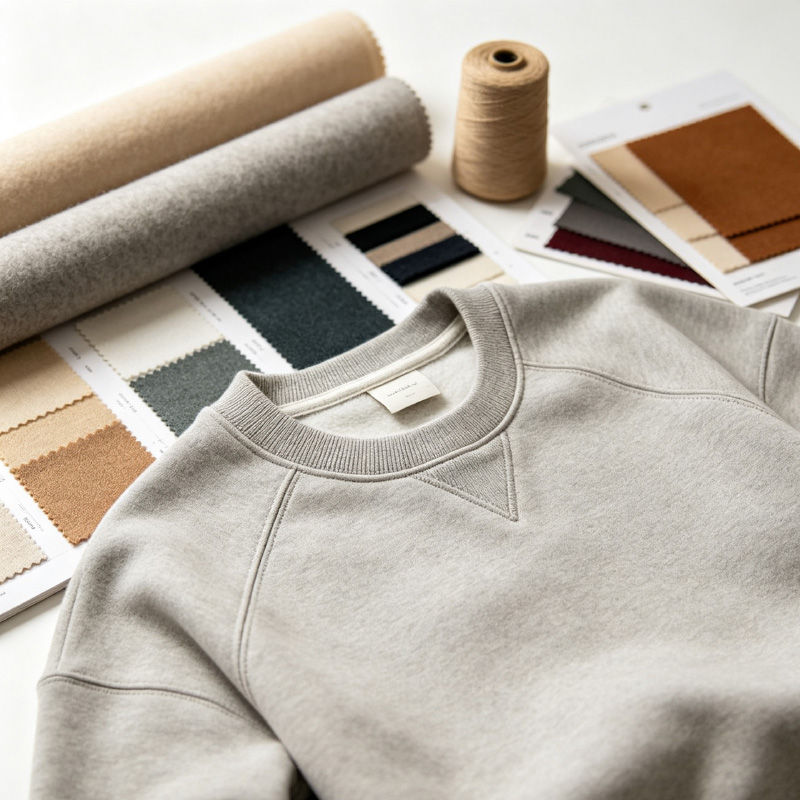
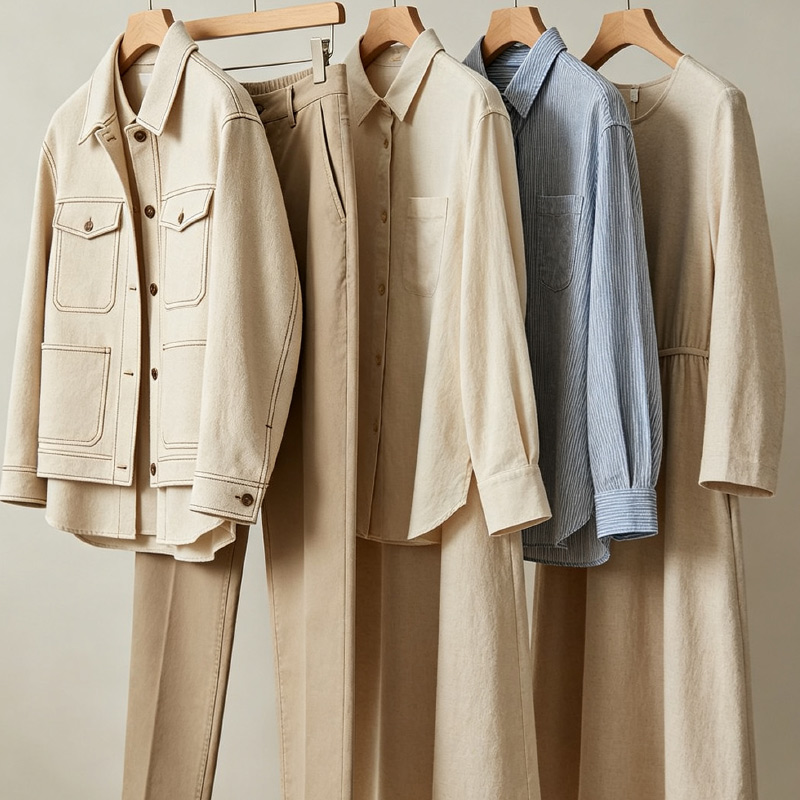
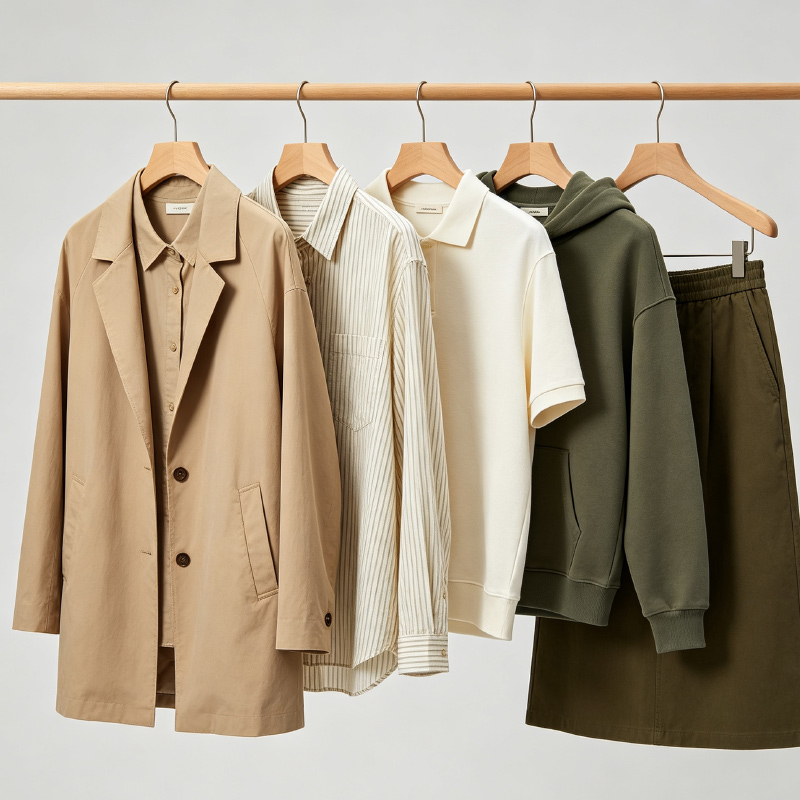
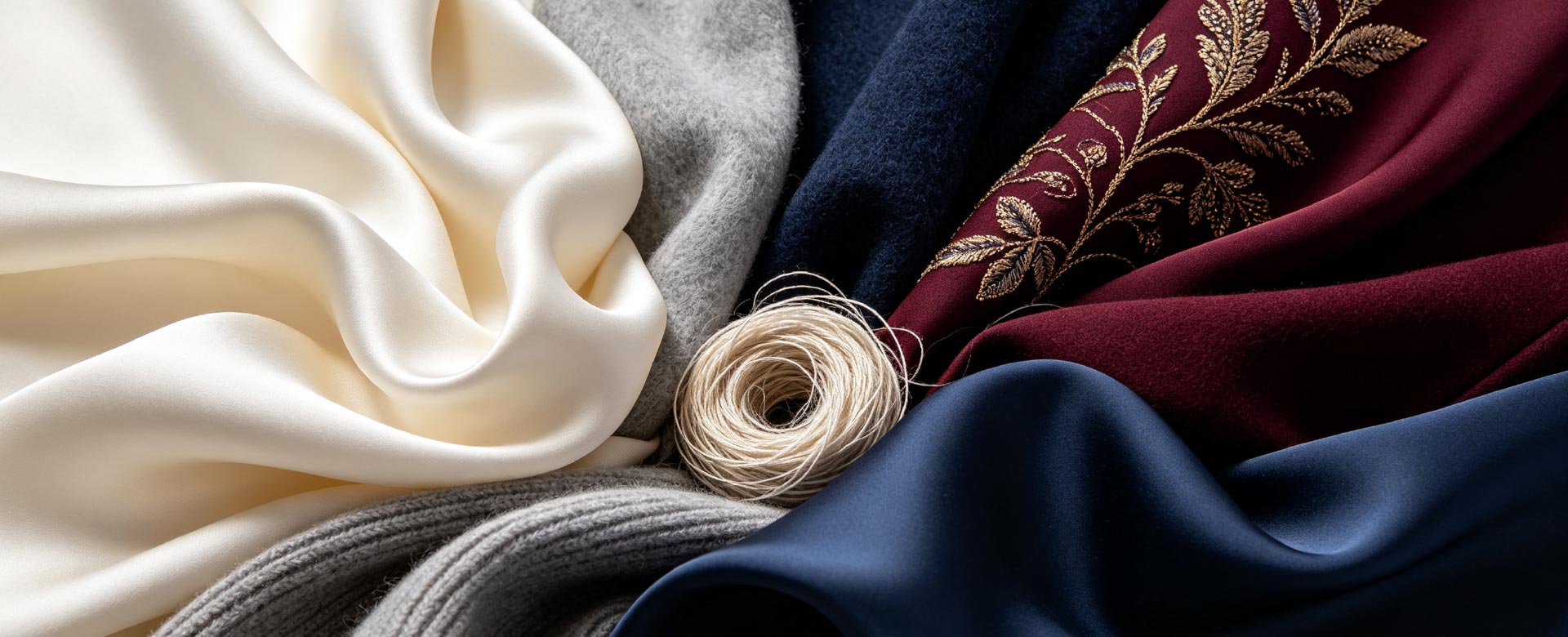
Light, soft and skin-friendly natural and blended fabrics dominate the market, with trans-seasonal and genderless design becoming mainstream. The core material upgrade is the popularization of T2T textile closed-loop recycling. Meanwhile, bio-based fibers and high-performance polyester have achieved mass production, becoming standard eco-friendly textile materials.
3. AI Industrial Empowerment
AI has become an essential tool for textile enterprises. It covers the whole industrial chain including intelligent design, on-demand production, automatic quality inspection and market demand prediction. Replacing traditional bulk production, AI-driven flexible manufacturing effectively reduces inventory pressure, cuts trial-and-error costs and improves overall production efficiency.
4. Sustainable Development
Low-carbon and circular development have become mandatory industry standards instead of marketing concepts. Brands and factories adopt recycled & biodegradable materials and zero-waste processes, and build carbon footprint tracking systems. Additionally, functional, healthy and high-value products have replaced low-price homogenized goods, leading industrial competition.
Conclusion
In 2026, the textile industry is in a critical reshaping period. Intelligent manufacturing, circular materials, diversified supply chains and green consumption will lead industrial upgrading, promoting the industry to develop in a more efficient, sustainable and high-quality direction.
Core Keywords
Textile-to-Textile Closed-loop Recycling, AI Flexible Production, Multi-site Supply Chain, Bio-based Low-carbon Fiber, Trans-seasonal Design