
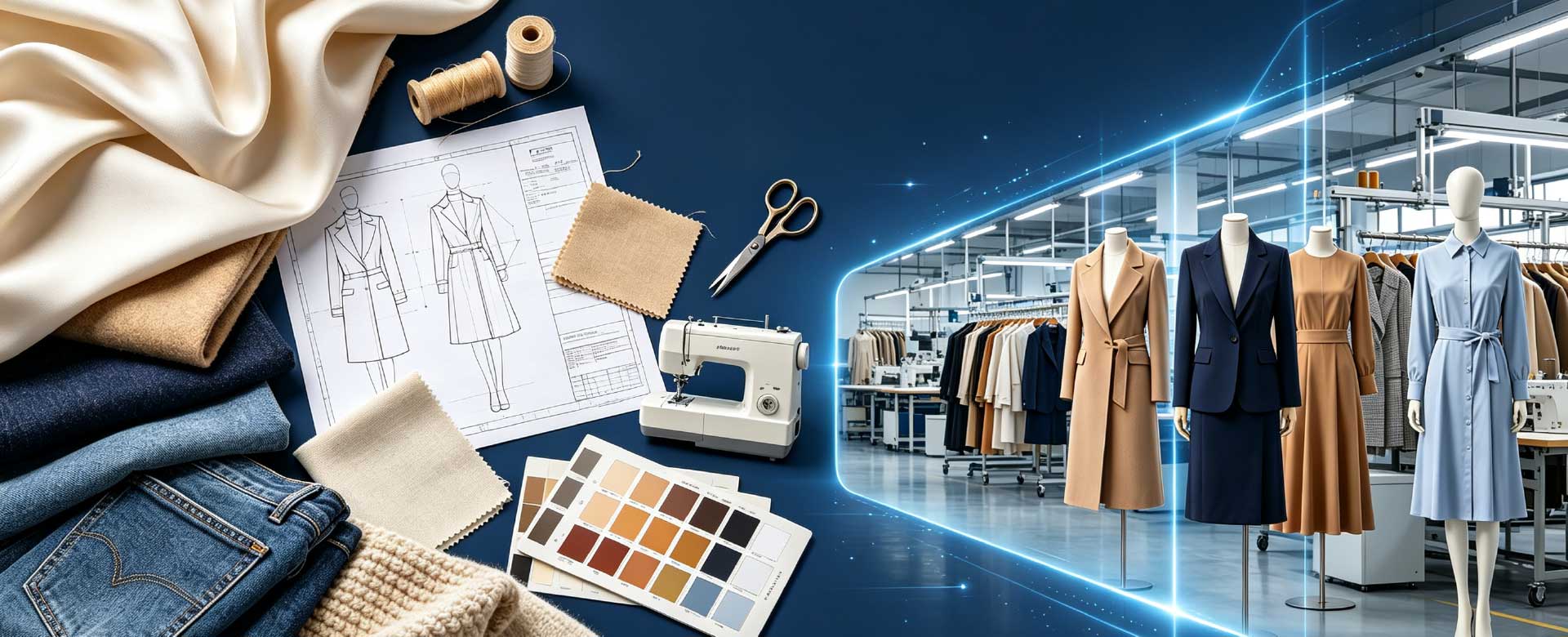
Craft Fabrics
Empower Fashion
Empower Fashion
Rooted in textile industry, co-create a promising fashion future
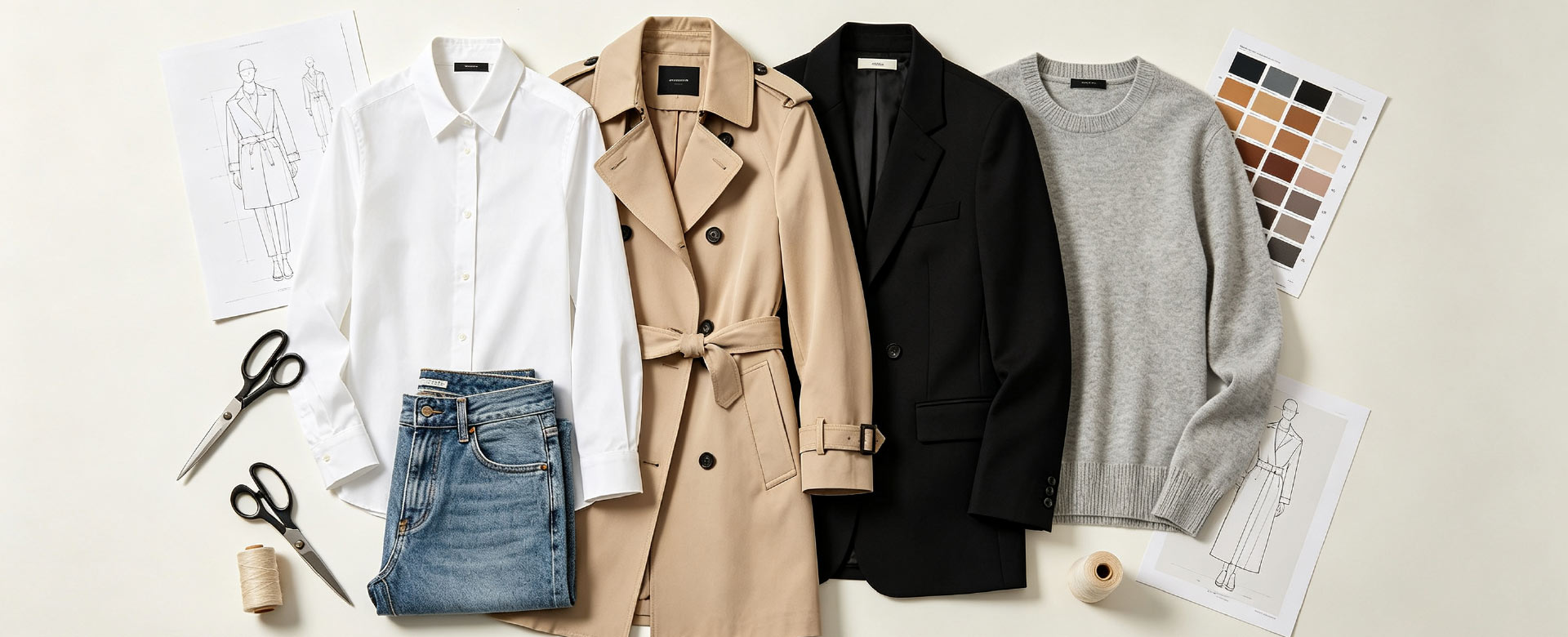
Deepen Weaving
Prosper Hand in Hand
Prosper Hand in Hand
Produce premium fabrics, explore a new pattern of fashion industry hand in hand
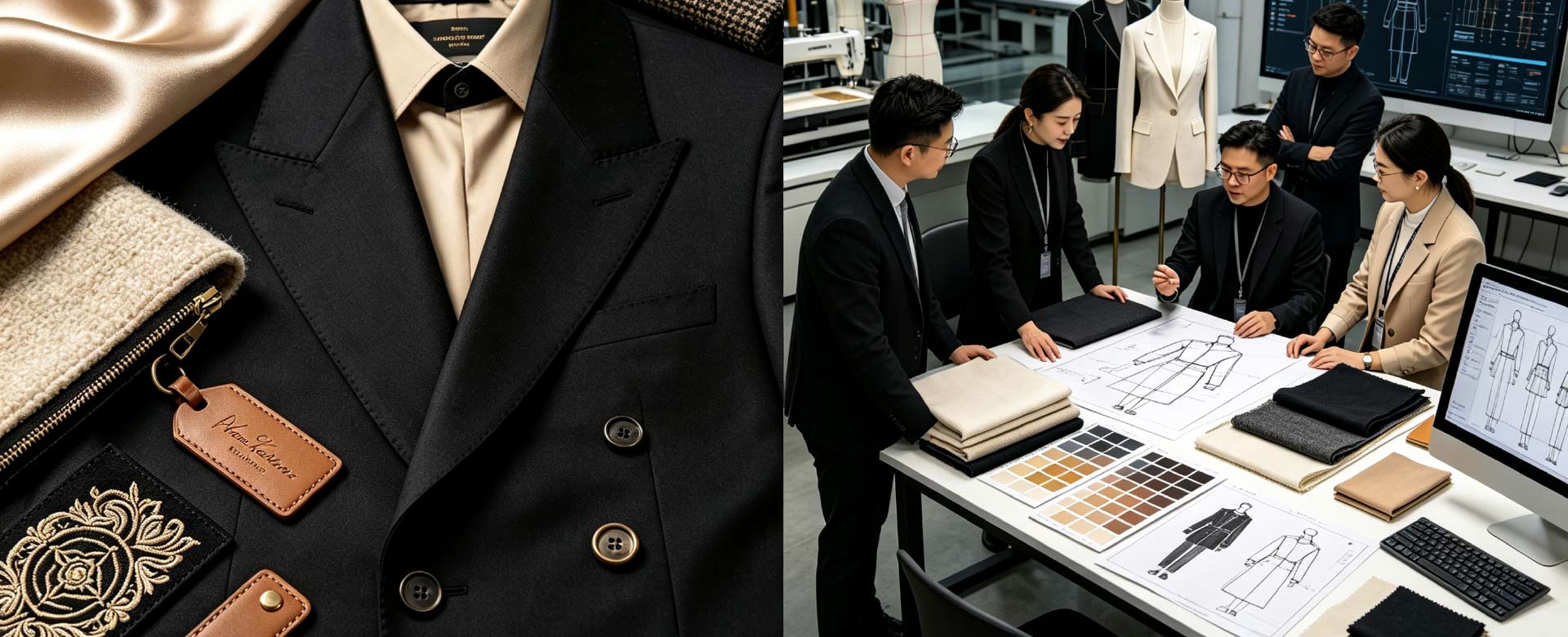
Sustainable Textiles
Premium Wear
Premium Wear
Unite through warp and weft, jointly shape a brand-new apparel industry landscape
Our Products
VIEW ALL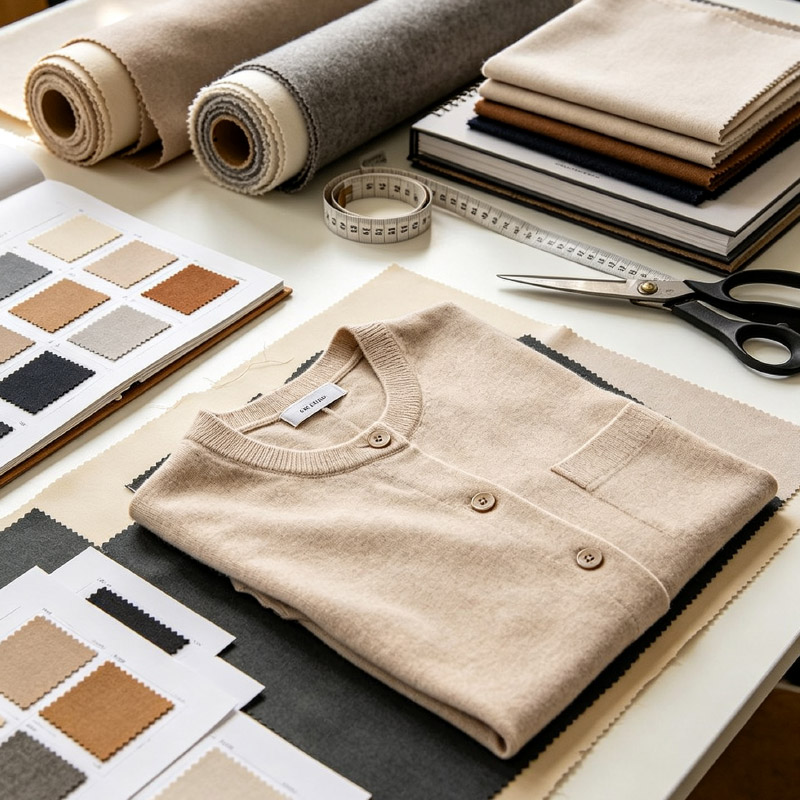
Custom Textile Garments
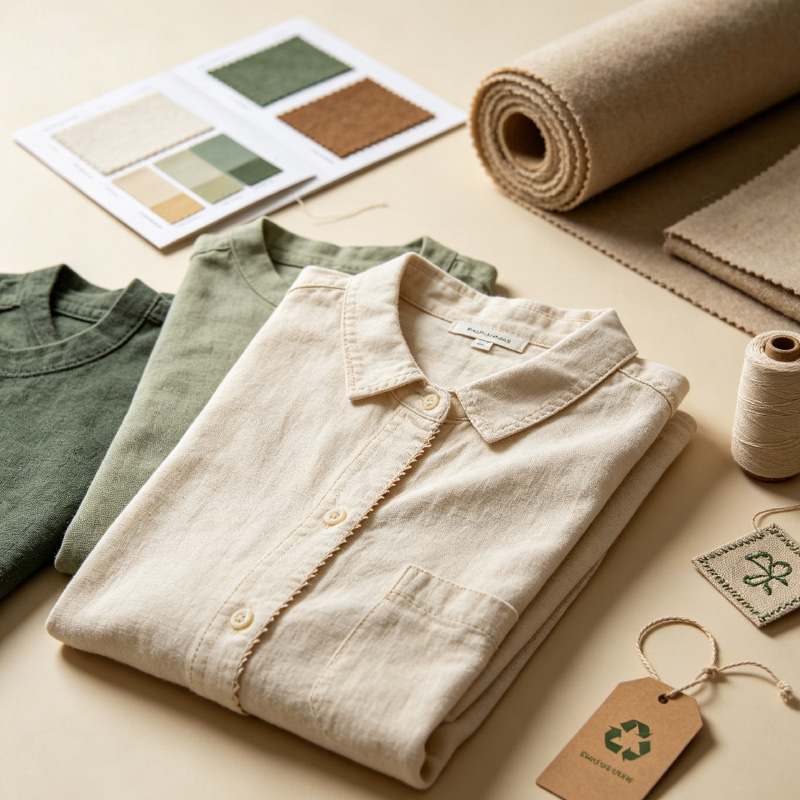
Custom textile garments with eco-friendly fabrics, full customization and strict quality control, suitable for wholesale and global export.
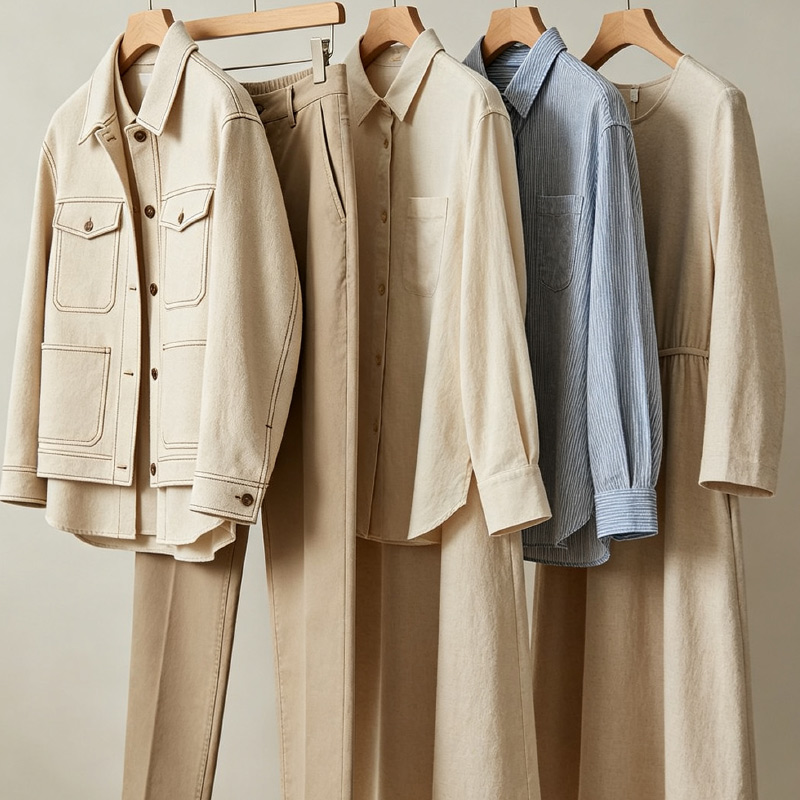
Custom Fashion Textile Apparel
Custom fashion textile apparel with premium fabrics, personalized customization and fine workmanship, ideal for global wholesale and retail.
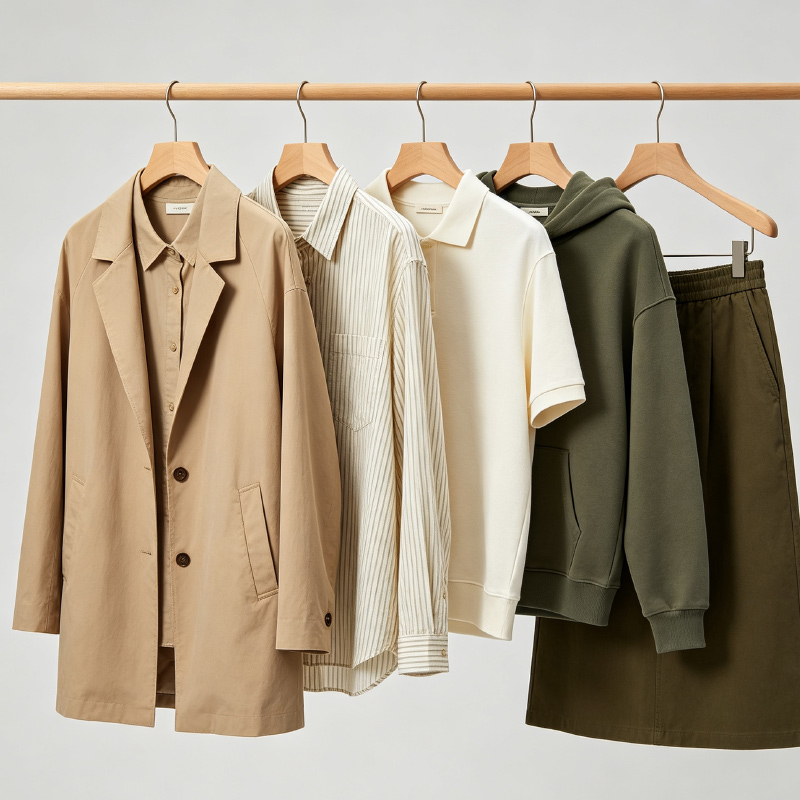
Premium Custom Textile Clothing
Premium custom textile clothing with fine craftsmanship, durable fabrics and full OEM customization, suitable for global wholesale export.
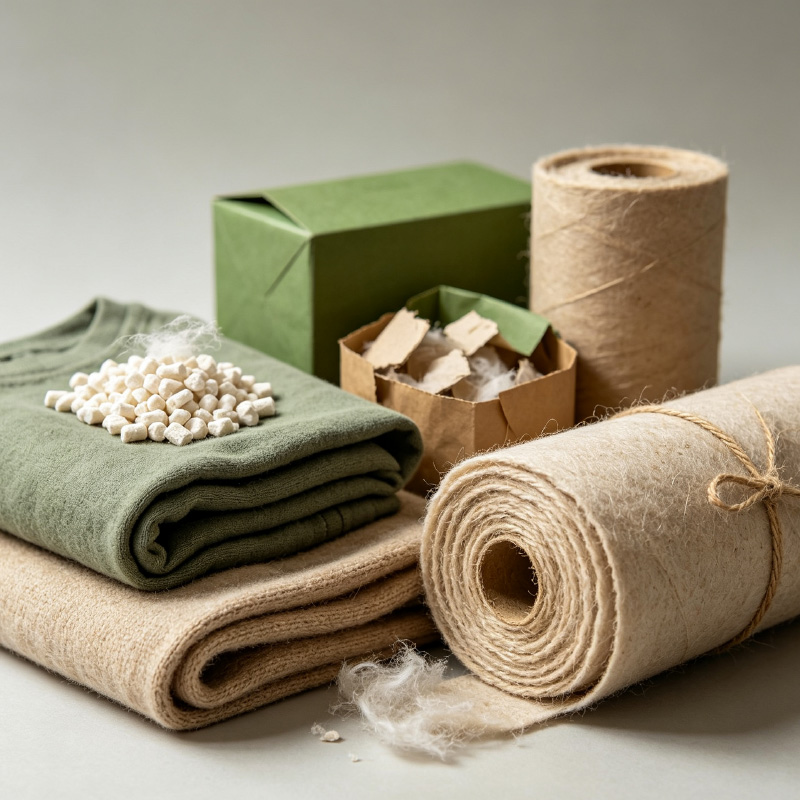
Premium Apparel
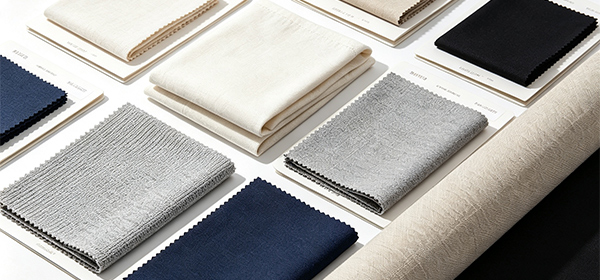
Specialized in R&D and production of premium apparel fabrics. Supply high-quality textiles for fashion, suits and uniforms. Custom sampling available, abundant stock SKUs, eco-friendly certified fabrics.
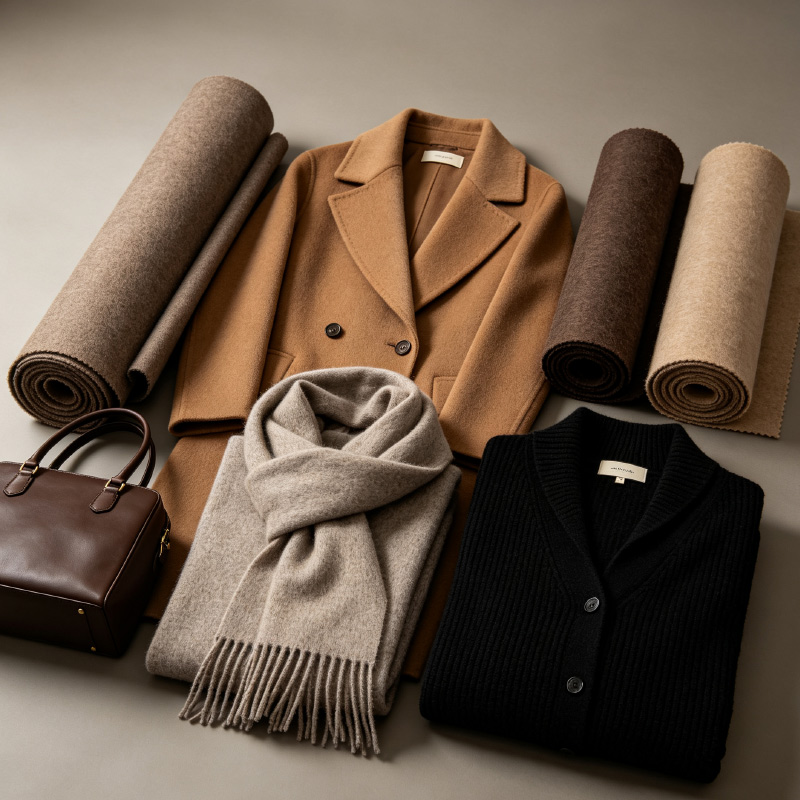
Functional Custom Textile Clothing
Functional custom textile clothing with breathable, wear-resistant and quick-dry performance, support custom logo and design, factory wholesale for global export.
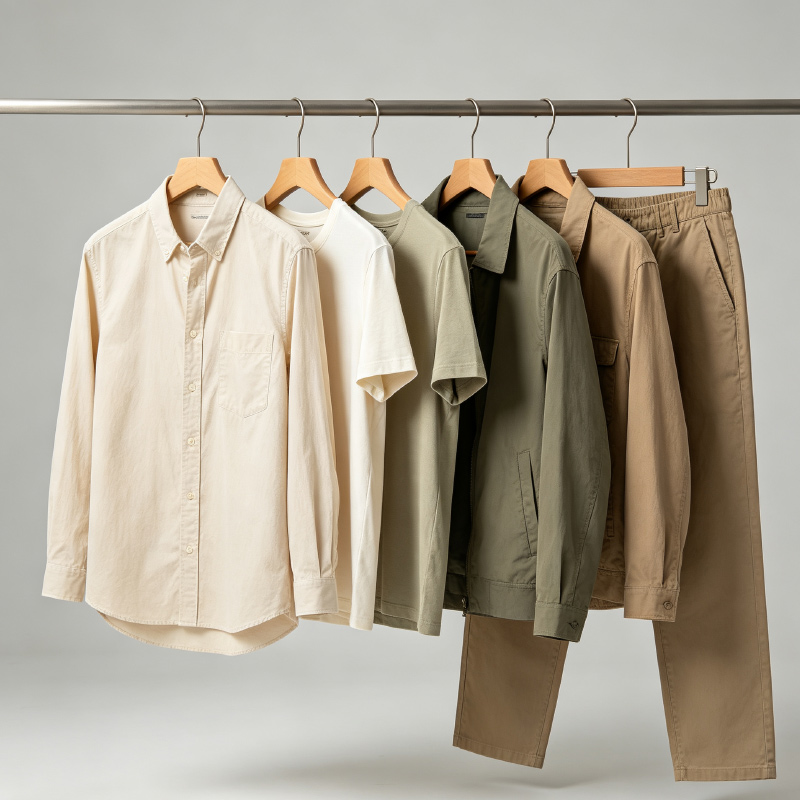
Custom Uniform Garments
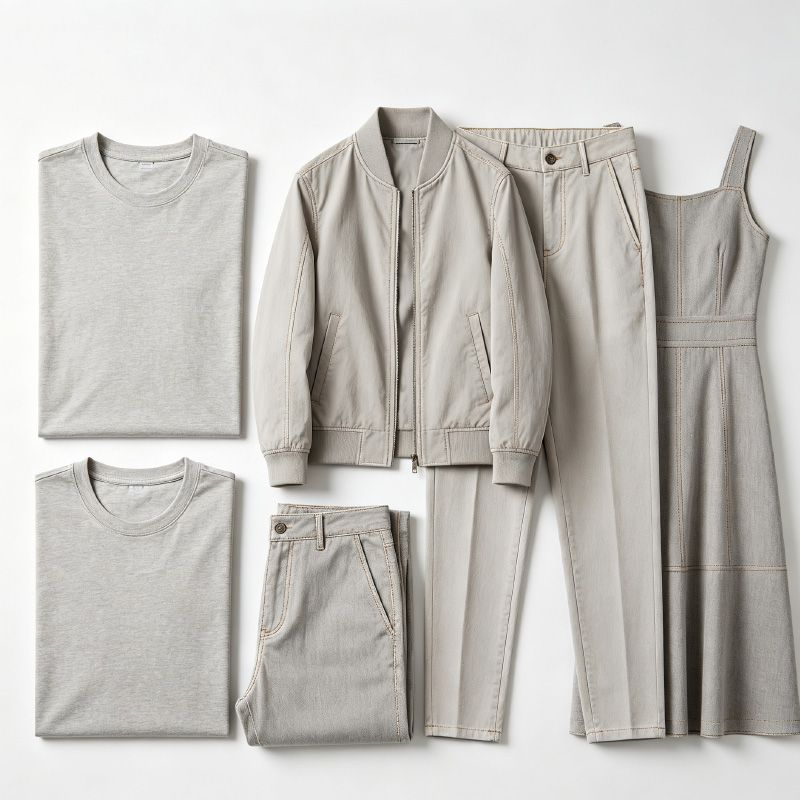
Durable custom uniform garments for company, hotel and factory, support logo embroidery & bulk wholesale, factory direct supply with fast delivery.
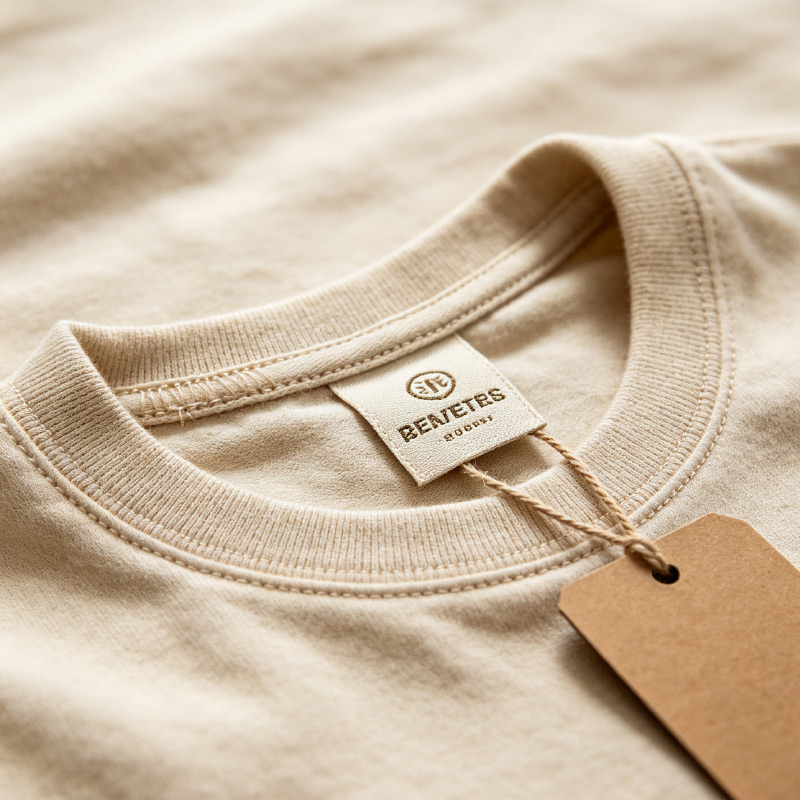
Eco Recycled Custom Garments
Wholesale eco recycled custom garments made of sustainable fabric, accept OEM logo customization, eco-certified for global brand wholesale.
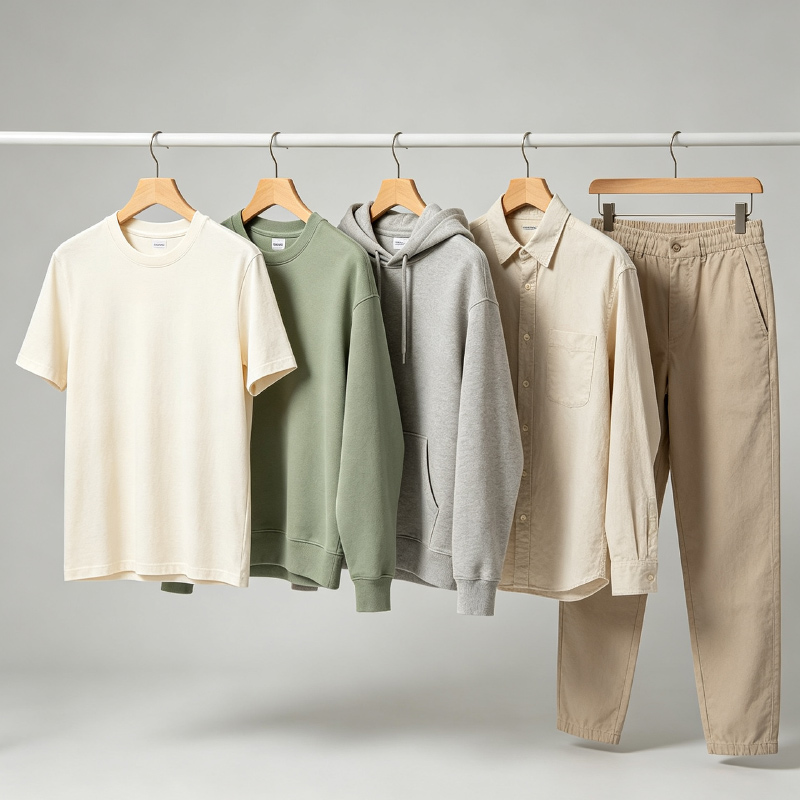
Custom Corporate Uniform Garments
Durable custom corporate uniform garments for company team, support logo embroidery & size customization, factory bulk wholesale.
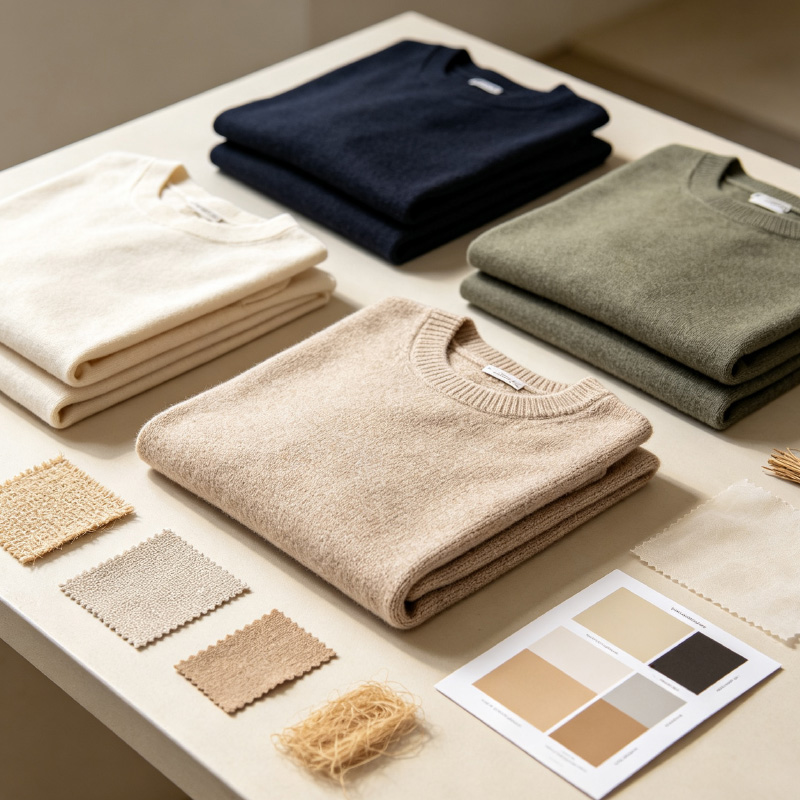
Wholesale Custom Breathable Polyester Fabric Clothing Apparel Textile Garment
Professional textile & garment manufacturer, support fabric customization & custom logo printing, flexible order for small & bulk quantity. Adopt eco-friendly functional fabrics, meet EU & US export standards, supply clients worldwide.
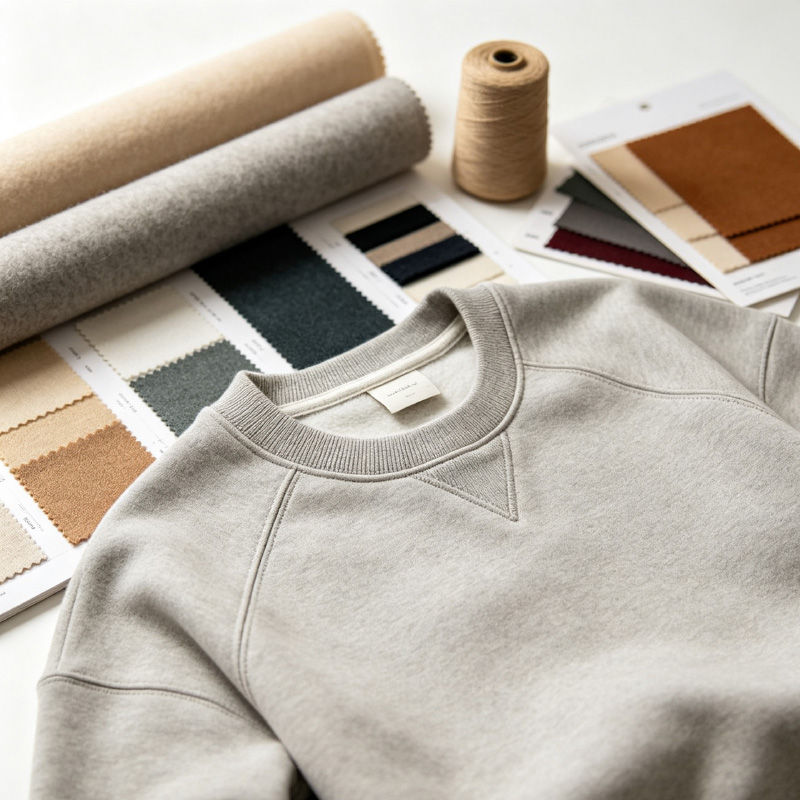
Custom Wholesale Textile Apparel & Garments
High quality custom textile garments with eco-friendly fabric, full customization and strict quality control for wholesale and export.
Our Services
VIEW ALL
Success Cases
VIEW ALL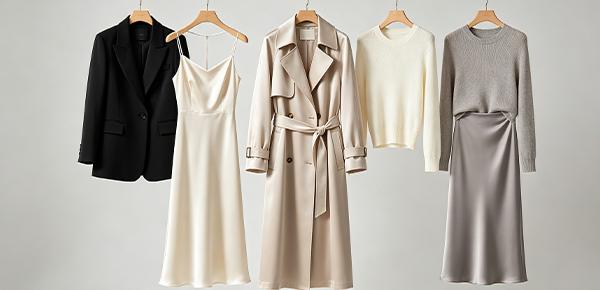
One-Stop Custom Case for Outdoor Waterproof & Breathable Functional Apparel
Custom high-breathable waterproof jackets for Southeast Asian outdoor brands, solving outdoor apparel performance needs with one-stop services from functional fabric weaving to garment mass production.
VIEW CASE
One-Stop Custom Case of Workplace Workwear for Large Enterprise Groups
Custom full-set workwear of administrative office and workshop operation for large industrial groups with tailored patterns and efficient bulk delivery.
VIEW CASE
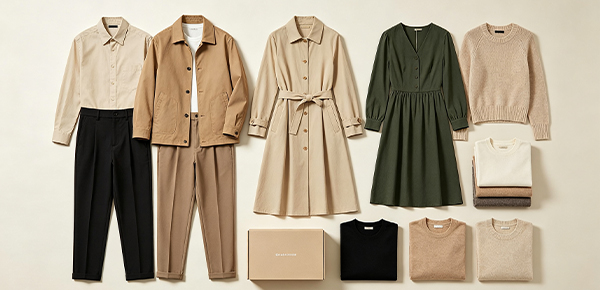
High-End Women’s Garment OEM Case for Niche Designer Brands
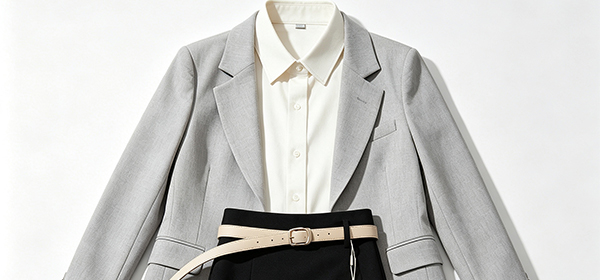
Provide small-batch high-end women's clothing customization with premium fabrics and exquisite craftsmanship for independent designer brands, building differentiated light luxury apparel lines.
VIEW CASE
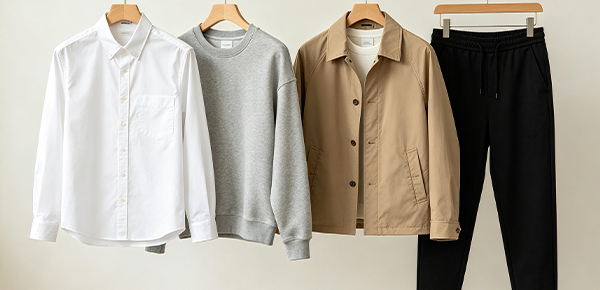
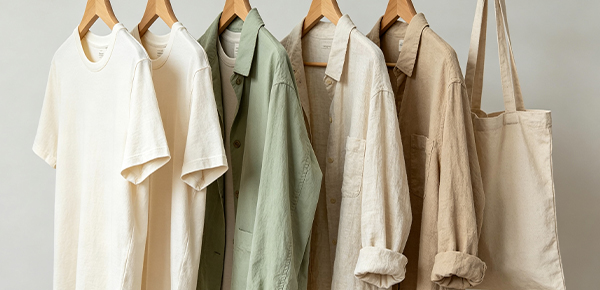
Foreign Trade Delivery Case of Sustainable Apparel with Recycled Eco-Friendly Fabrics
Custom sustainable apparel for European eco-brands with GRS-certified recycled fabrics, achieving compliant delivery with complete environmental qualifications.
VIEW CASE
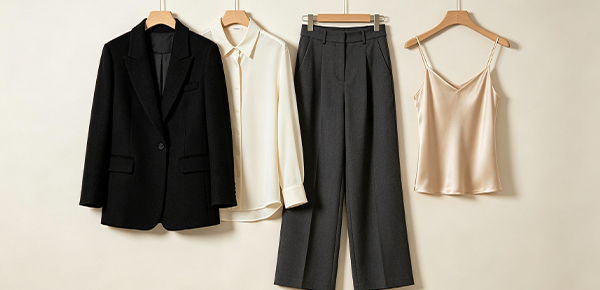
Small-Order Quick-Response Flexible Supply Case for Amazon Cross-Border Apparel
Adapt to Amazon's fast iteration rhythm with multi-SKU mixed batch production and quick restocking, solving sellers' inventory and new launch problems.
VIEW CASE
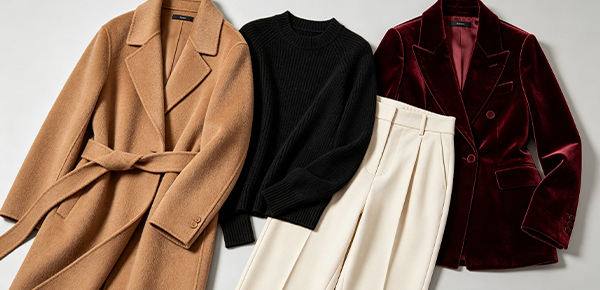
Annual Full-Package Cooperation Case of Garment & Textile for Large Overseas Buyers
Undertake annual collective procurement orders for large European buyers, cooperate with factory inspection and realize stable batch delivery of full-category garments and textiles.
VIEW CASE
Our Solutions
VIEW ALL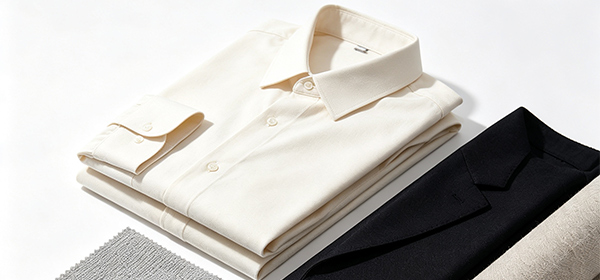
0+Years
Our Story
Rooted in full textile chain, co-build a brand-new apparel ecosystem
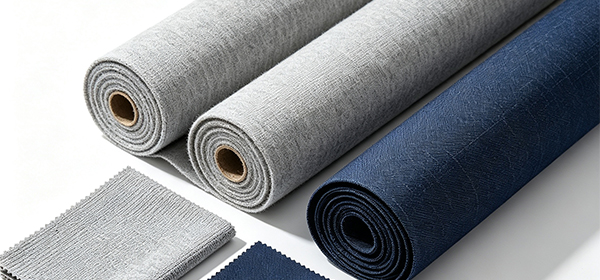
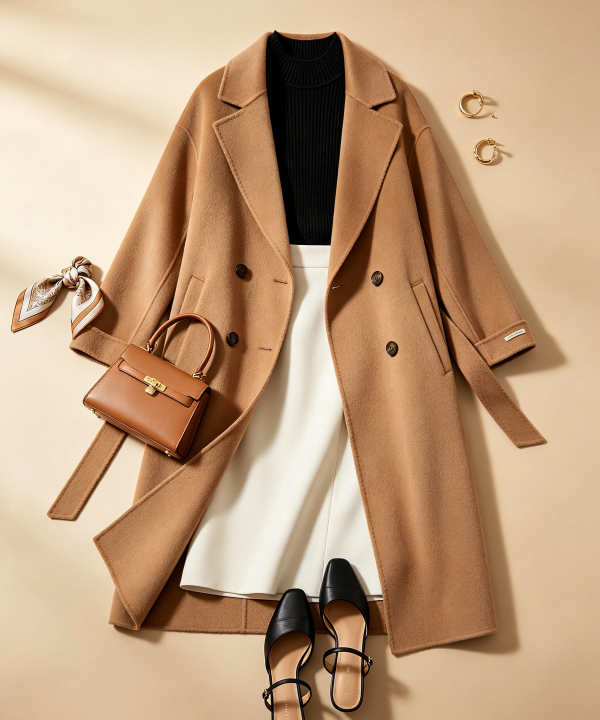
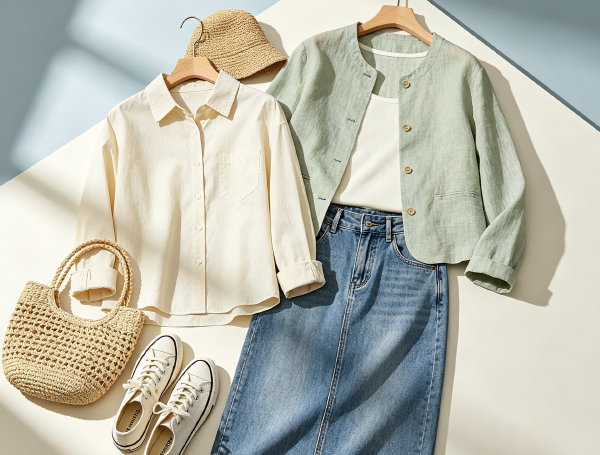
We connect the upstream and downstream textile & apparel industrial chain, focus on innovative fabric production, and cooperate with industry partners to share resources and complement strengths. We jointly build an integrated industrial platform and explore brand-new prospects for fashion industry.
0+
Years Experience
0+
Type
0+
Global Markets
0+
Factory
Blog
VIEW ALL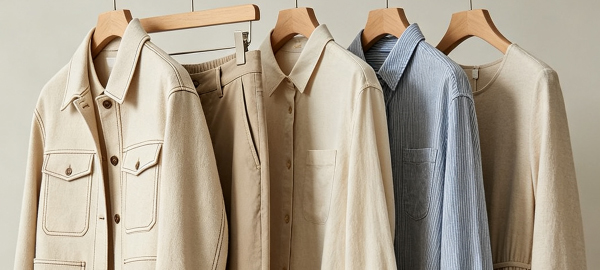
Leading Textile Enterprises Accelerate Intelligent Factory Upgrade in 2026
Facing rising labor costs and stricter product precision standards, domestic leading textile manufacturers have fully launched intelligent factory transformation projects this year. By introducing AI quality inspection systems and digital weaving equipment, enterprises effectively improve production efficiency and product qualification rate, realizing comprehensive upgrading from traditional manual production to smart manufacturing.
READ MORE
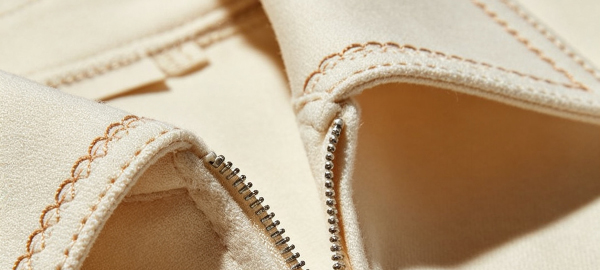
Apparel Brands Launch 2026 Sustainable Fabric Replacement Plan
In response to global low-carbon development trends and international green certification requirements, many mainstream apparel brands have officially released full-product sustainable fabric replacement plans. They comprehensively popularize recycled fibers and bio-based materials to replace traditional chemical fabrics, promoting the whole industrial chain’s green and low-carbon transformation.
READ MORE
Children’s Functional Textile Technology Achieves Corporate Breakthrough and Mass Production
Targeting the high-standard demand of the children’s wear market for safety, comfort and functionality, professional textile enterprises have independently developed new antibacterial, anti-allergic and skin-friendly functional fabrics. The technology has achieved stable mass production, filling the market gap of high-end children’s special textile materials.
READ MORE