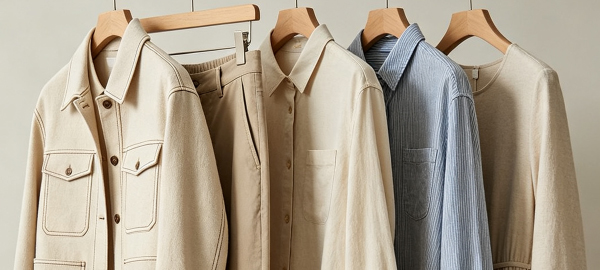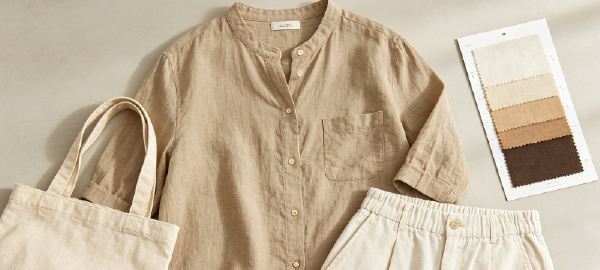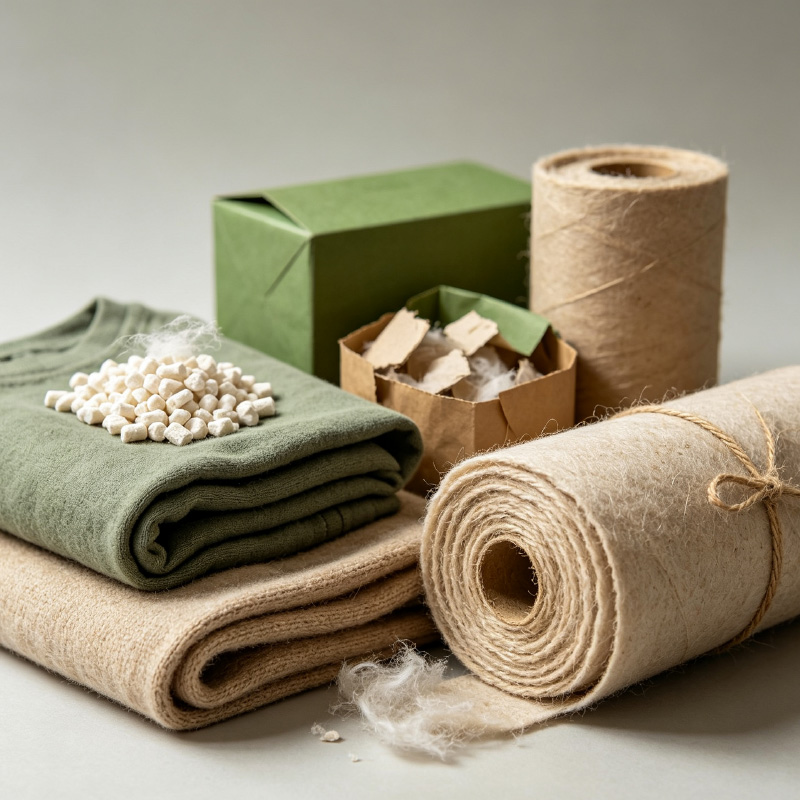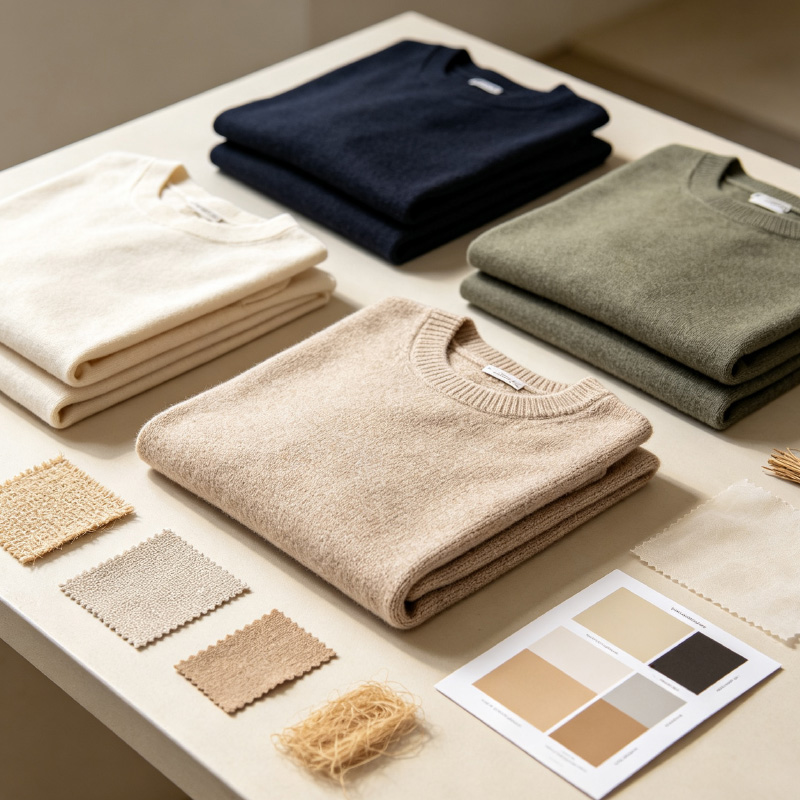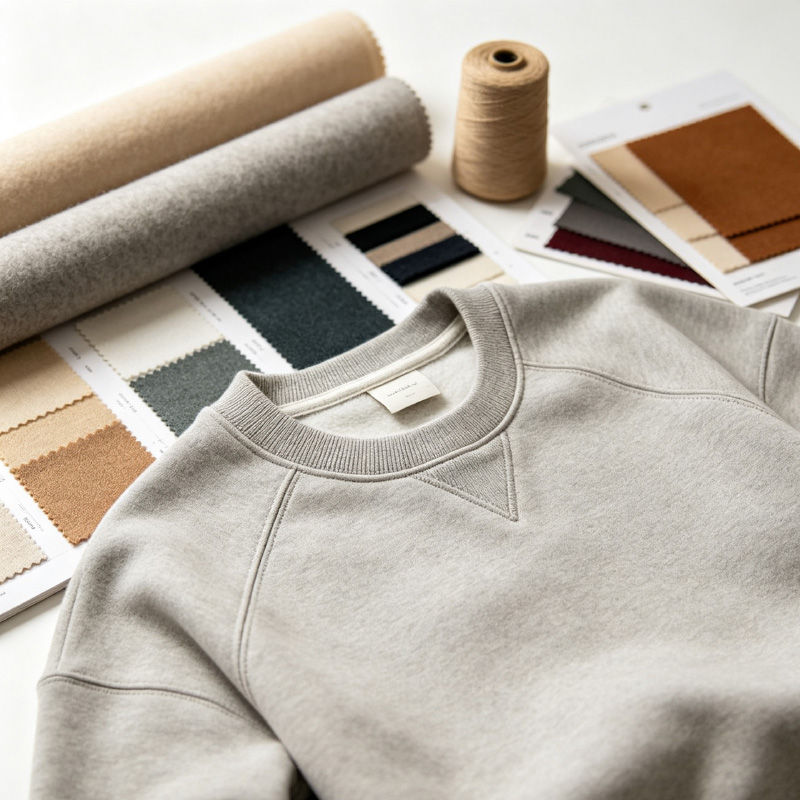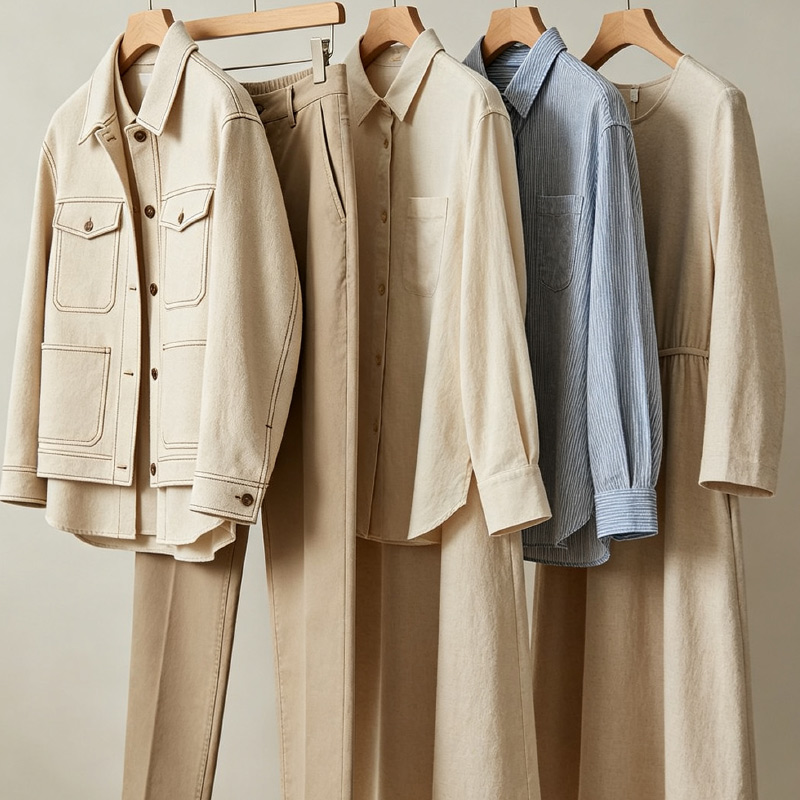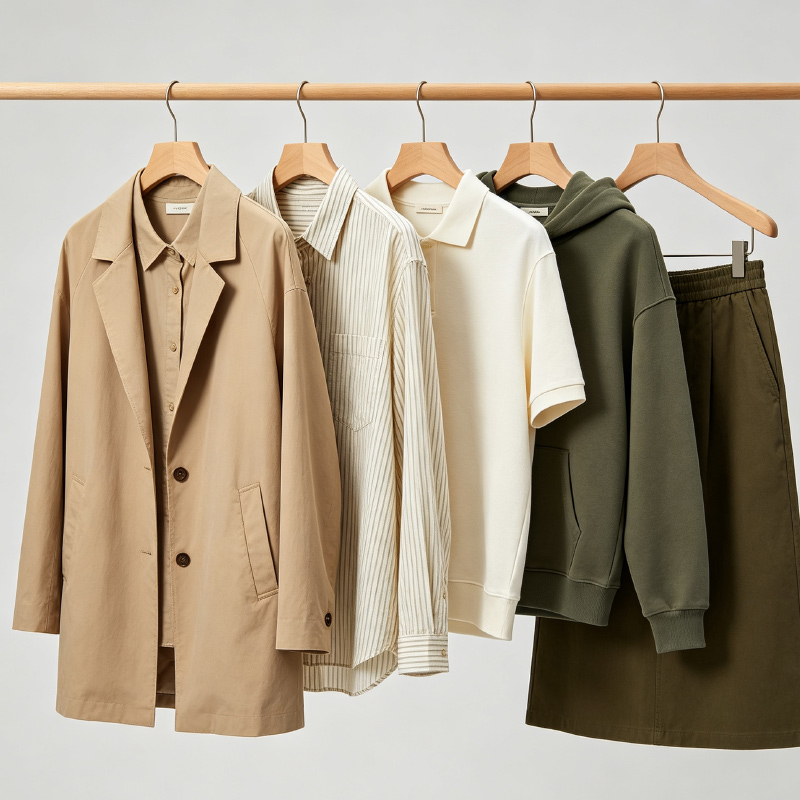

In order to actively respond to the global dual-carbon strategic layout, adapt to increasingly stringent international environmental protection policies and green trade standards, and meet the rapid growth of consumer green consumption demand, mainstream domestic and foreign apparel brands and their supporting textile manufacturers have successively launched systematic and large-scale sustainable material upgrading and replacement strategies in 2026. Driven by global carbon neutrality goals, EU carbon border adjustment mechanisms and various regional green certification regulations, the traditional extensive production mode relying on high-carbon chemical synthetic fibers is facing elimination and restriction. Therefore, major brand groups have taken the initiative to carry out comprehensive green iteration of their product material systems, covering all core product lines including daily casual wear, professional sportswear, outdoor functional apparel, home textile products and infant and children’s clothing. These brands are gradually phasing out traditional high-carbon polyester fibers, ordinary chemical synthetic fabrics and non-environmental finishing materials, and fully promoting and applying low-carbon and eco-friendly materials such as recycled polyester from waste plastic bottles, recycled yarns from waste textiles, degradable plant-based fibers and textile-to-textile closed-loop recycled fabrics. Different from the simple and fragmented application of sustainable materials in previous years, the 2026 new upgrading plan focuses on full-life-cycle green management and control, realizing systematic optimization covering raw material green procurement, low-carbon weaving and dyeing production, environmental protection finishing treatment, finished product green testing and terminal waste recycling and regeneration.
Major brand enterprises have established long-term stable strategic cooperation and joint R&D mechanisms with upstream leading textile factories and material suppliers, focusing on solving the performance shortcomings of traditional sustainable materials such as insufficient softness, poor color fastness and weak wear resistance. Both parties jointly optimize sustainable fabric formulas, upgrade environmental protection finishing processes and improve post-treatment technologies, ensuring that all green and recycled materials can reach the performance standards of traditional chemical fabrics in terms of wearing comfort, appearance texture, washing resistance and durability, while maintaining low-carbon emission and zero-pollution production advantages. Up to now, the proportion of sustainable eco-friendly fabrics used in new seasonal products launched by major mainstream apparel brands has exceeded 60% of the total material usage. According to brand public upgrading plans, this proportion is expected to further rise to 85% by the end of 2027, realizing the comprehensive green coverage of mainstream product lines. The large-scale popularization and comprehensive replacement of sustainable fabrics not only help brands effectively meet international carbon footprint traceability assessment, green product certification and global green trade barrier access standards, reduce policy compliance risks in overseas markets, but also shape a responsible and eco-friendly brand image in the consumer market. It accurately captures the consumption preferences of young green consumer groups, continuously improves the environmental added value and market competitiveness of brand products, and further enhances the corporate social responsibility and sustainable development value of apparel and textile enterprises in the whole industrial chain.