
Custom Wholesale Textile Apparel & Garments
We offer professional custom textile garments with various fabrics, styles and crafts. Custom logo, color, size and designs are available. All products are well inspected to ensure premium quality and comfortable wearing for global wholesale business.
- Support custom logo, printing, embroidery, color, size and pattern to meet personalized market demands.
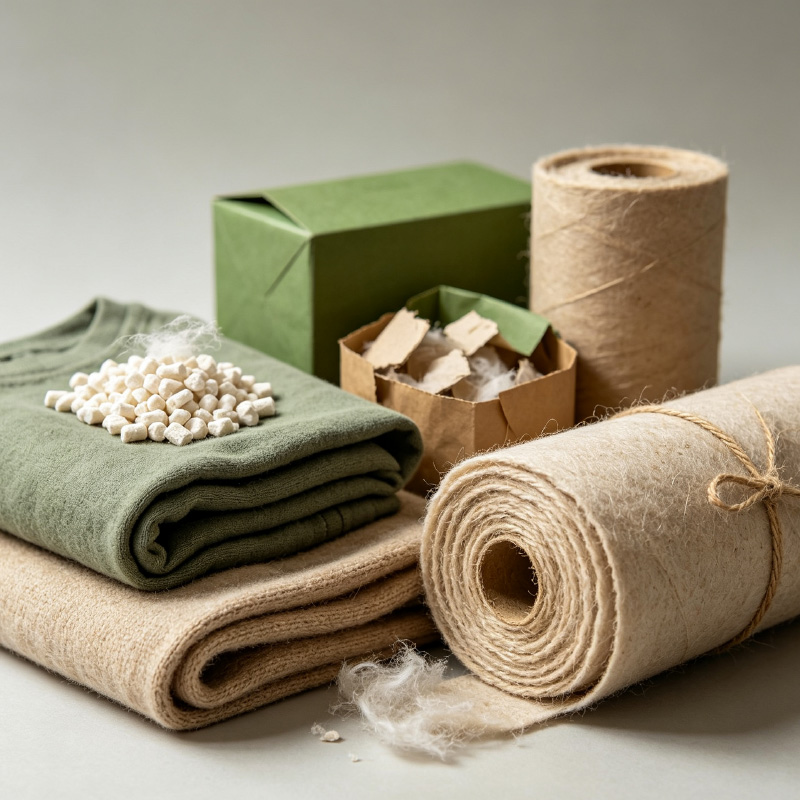
- Adopt skin-friendly, breathable and recycled textile materials, safe, durable and environmentally friendly.
- Multi-process quality inspection, flexible MOQ and fast on-time shipment for global orders.
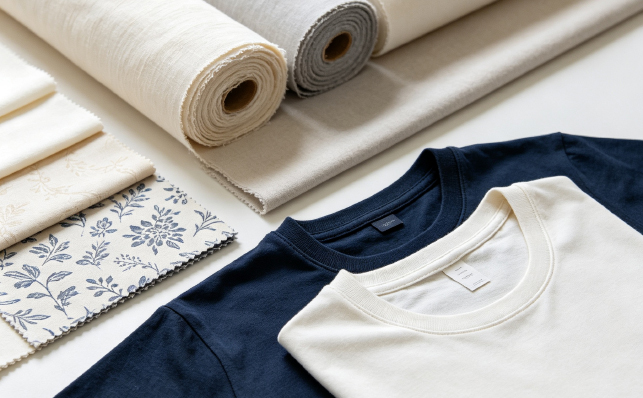
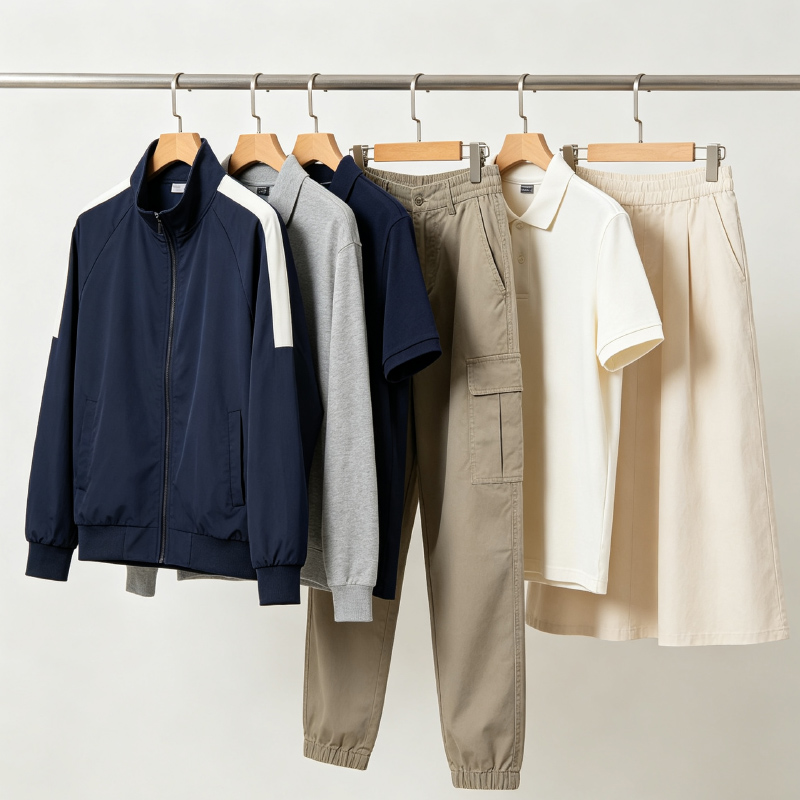
Custom Design 1
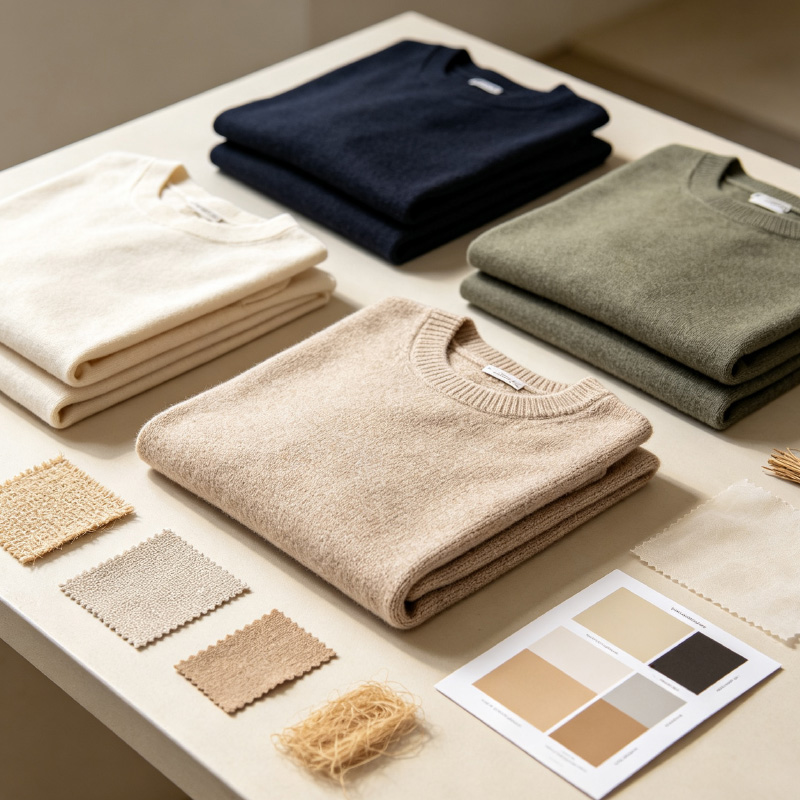
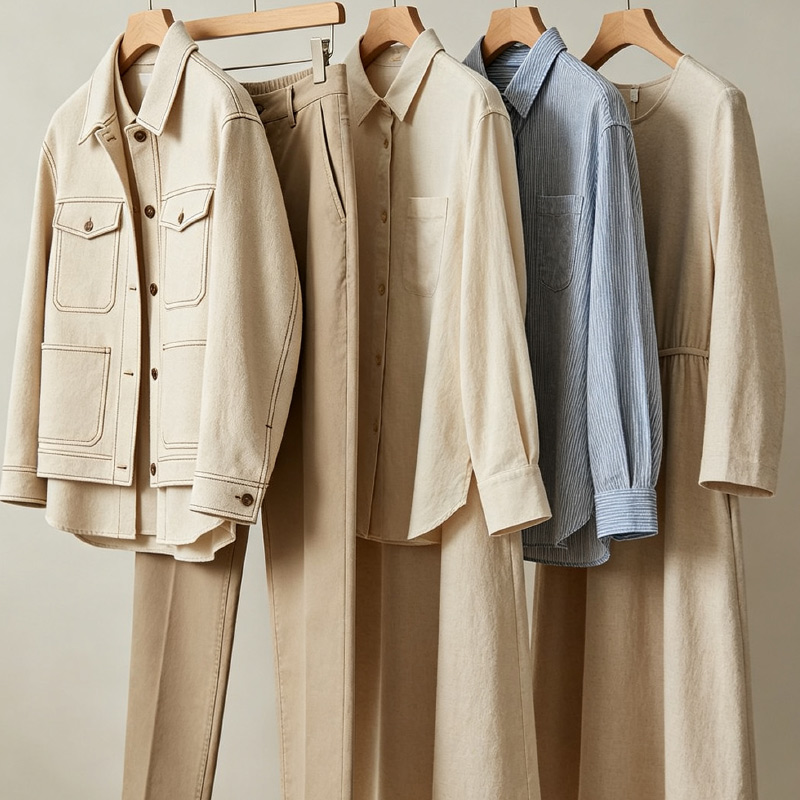
Custom textile garments support full personalized customization on styles, colors and logos, suitable for casual, sport, work and daily scenarios.
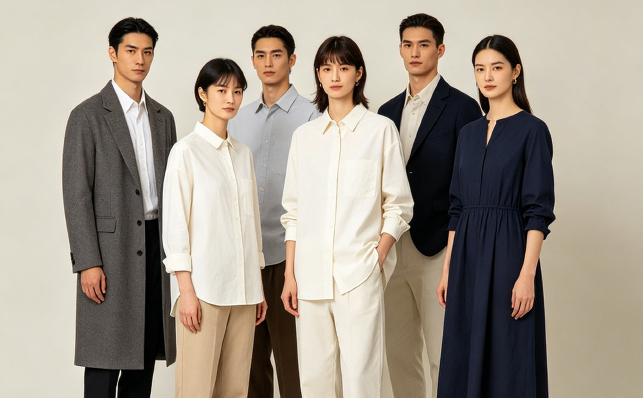
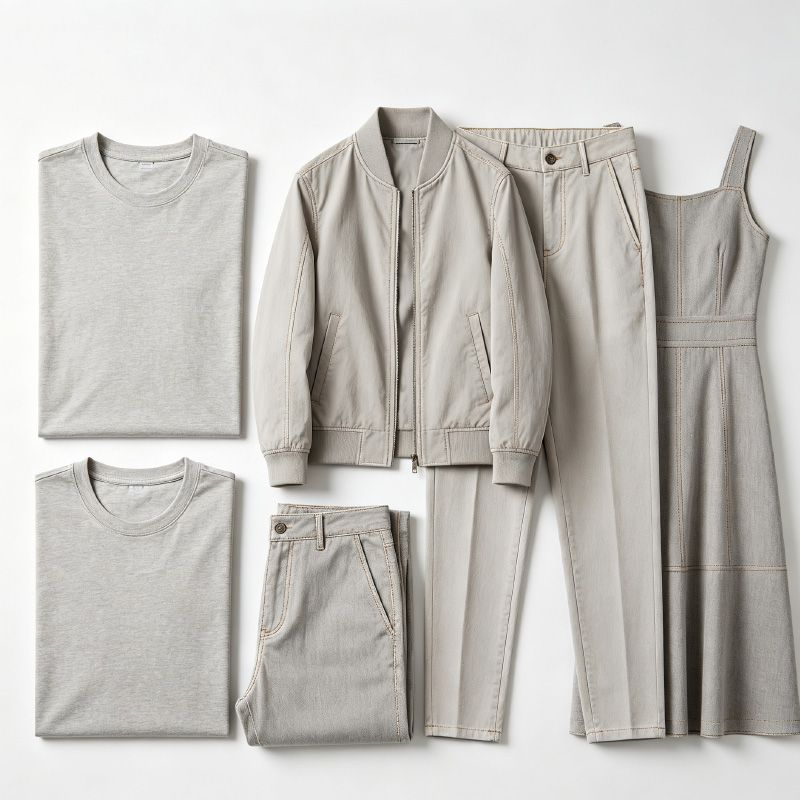
Custom Design 2
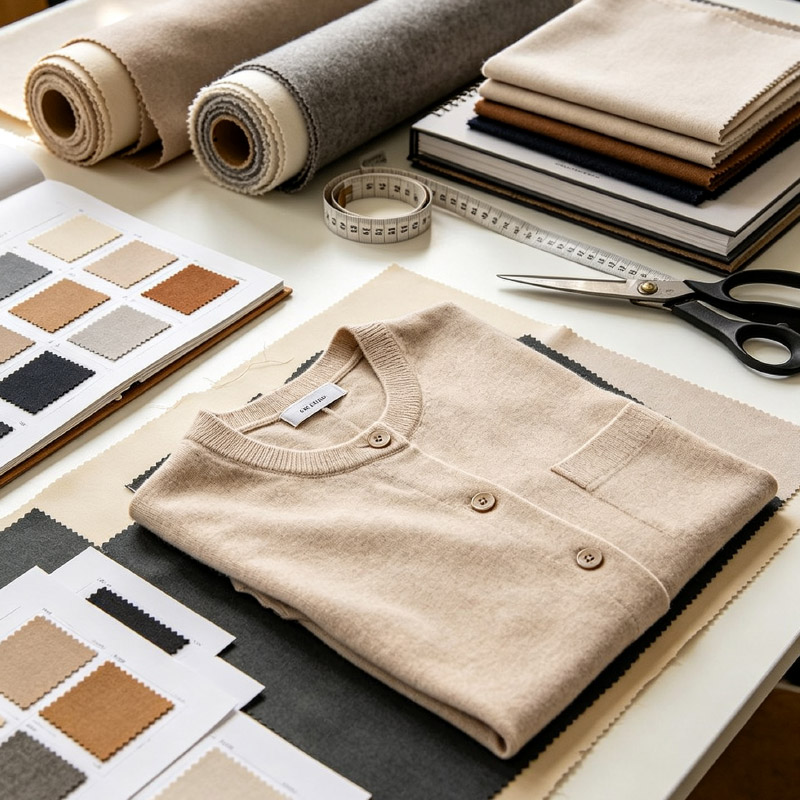
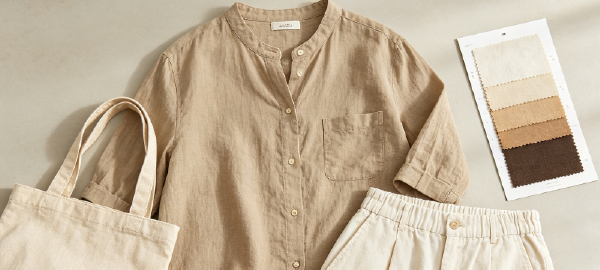
Made of high-quality eco-friendly textile fabrics, featuring soft touch, great air permeability and long service life for all-day comfort.
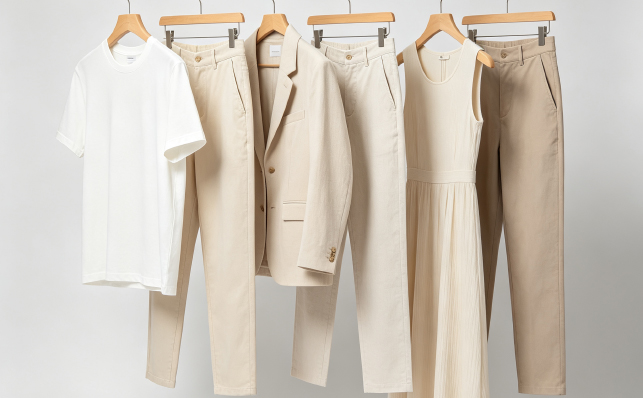
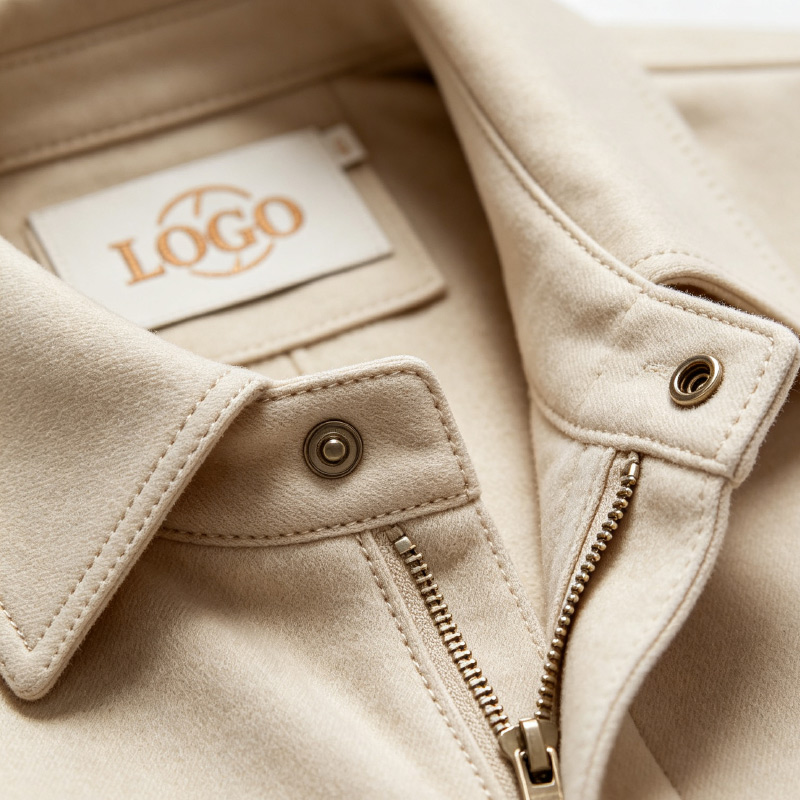
Custom Design 3
Factory direct supply with standardized production and strict QC, providing stable quality and efficient delivery for global wholesale buyers.
| Feature | Details |
|---|---|
| Color | Custom Pantone Colors |
| Size | XS–4XL / Custom Size Chart |
| Craft | Printing, Embroidery, Heat Transfer |
| Certification | OEKO-TEX, Eco-friendly Test Report |
| MOQ | 50 pcs for trial order, bulk order negotiable |
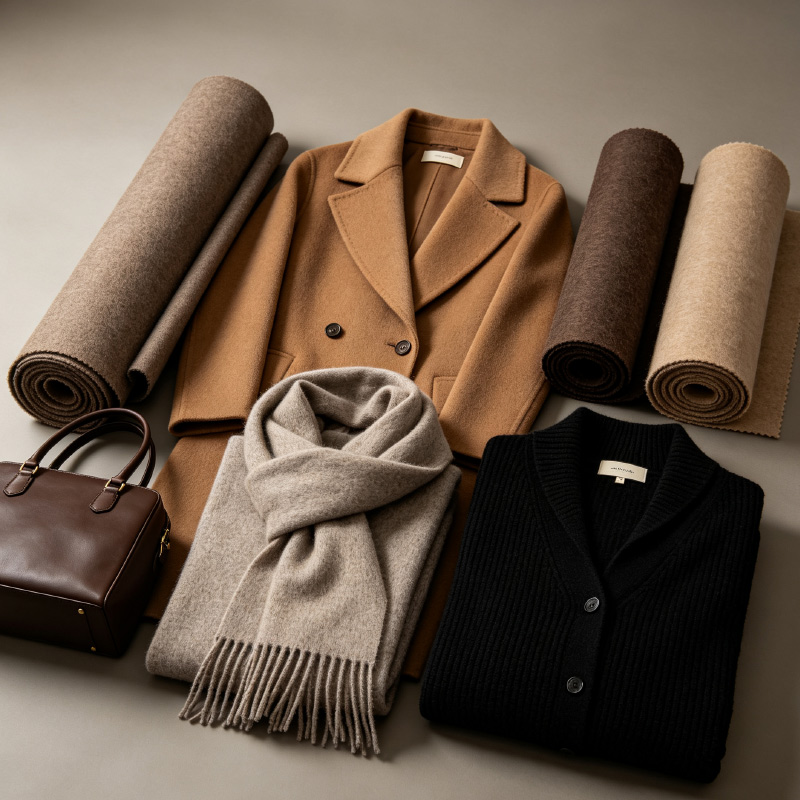
Latest Blog
View More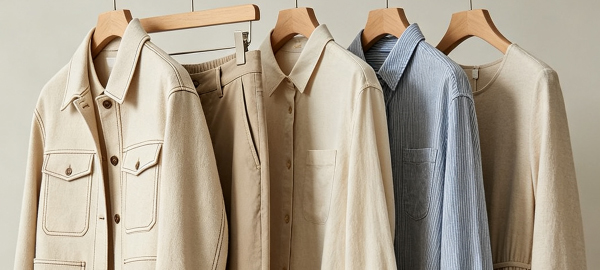
Leading Textile Enterprises Accelerate Intelligent Factory Upgrade in 2026
Facing rising labor costs and stricter product precision standards, domestic leading textile manufacturers have fully launched intelligent factory transformation projects this year. By introducing AI quality inspection systems and digital weaving equipment, enterprises effectively improve production efficiency and product qualification rate, realizing comprehensive upgrading from traditional manual production to smart manufacturing.
Learn More
Apparel Brands Launch 2026 Sustainable Fabric Replacement Plan
In response to global low-carbon development trends and international green certification requirements, many mainstream apparel brands have officially released full-product sustainable fabric replacement plans. They comprehensively popularize recycled fibers and bio-based materials to replace traditional chemical fabrics, promoting the whole industrial chain’s green and low-carbon transformation.
Learn More
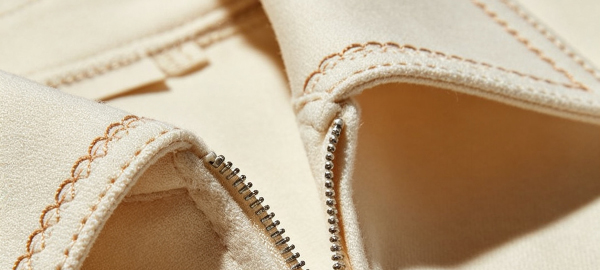
Children’s Functional Textile Technology Achieves Corporate Breakthrough and Mass Production
Targeting the high-standard demand of the children’s wear market for safety, comfort and functionality, professional textile enterprises have independently developed new antibacterial, anti-allergic and skin-friendly functional fabrics. The technology has achieved stable mass production, filling the market gap of high-end children’s special textile materials.
Learn More
service
View More
Service Content
Full-chain services including fabric sampling, custom design and fast stock delivery. Professional team tracks orders throughout the process with stable bulk supply and comprehensive after-sales support.
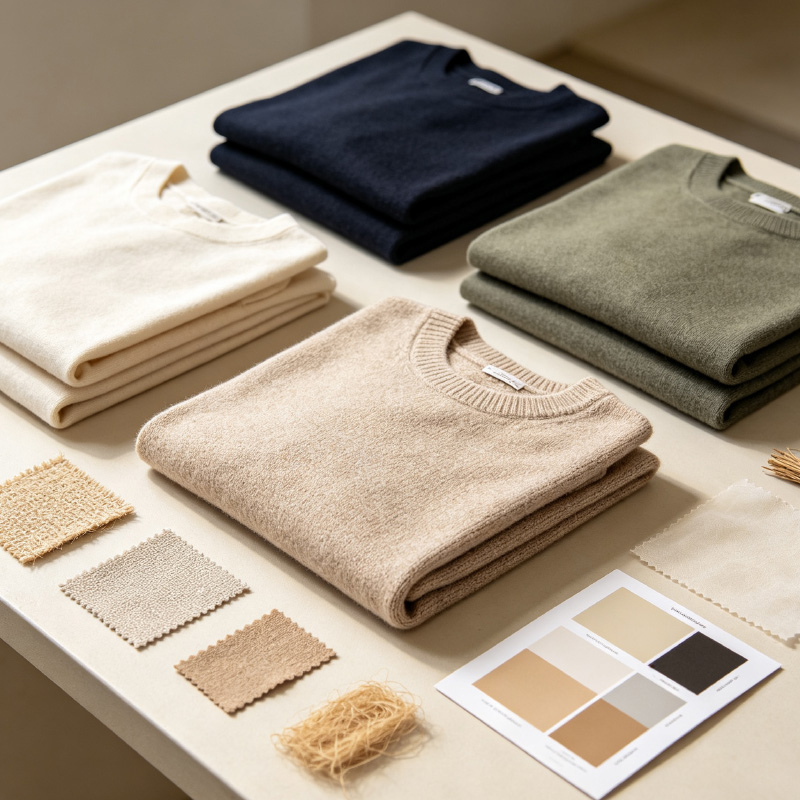
Full-Link Garment Customization Services
We focus on all kinds of high-end garment customization and bulk OEM services. Strictly control every process from fabric selection, style design and fine workmanship to finished product delivery, to meet the diverse clothing procurement needs of individuals, brands and enterprises.
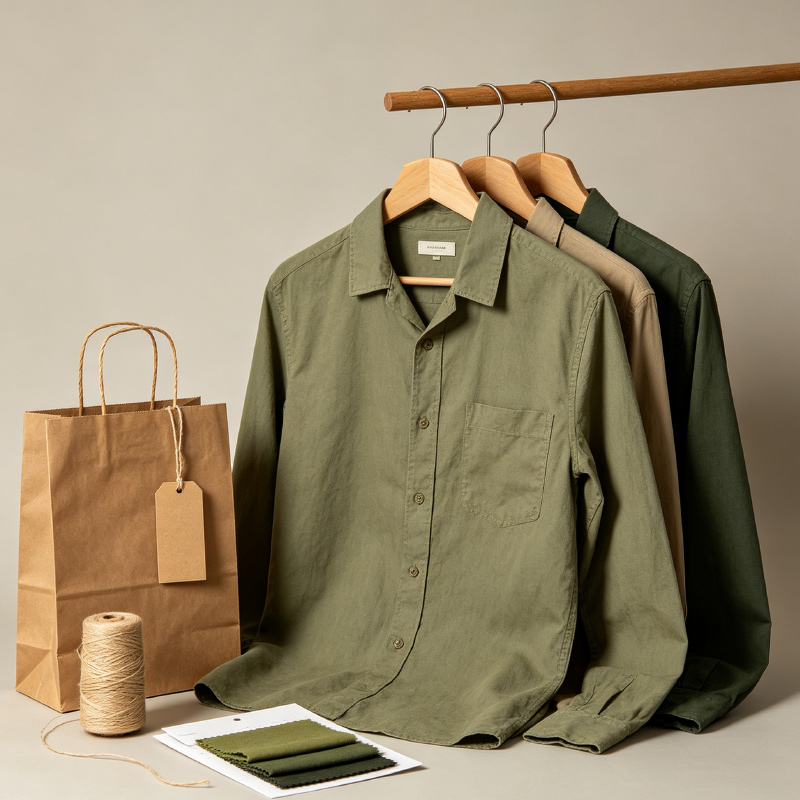
One-Stop Premium Garment Custom Service
Integrating original design, fabric customization, precision production and quality delivery. We focus on high-end garment customization and foreign trade bulk orders, providing cost-effective custom solutions for global apparel brands.
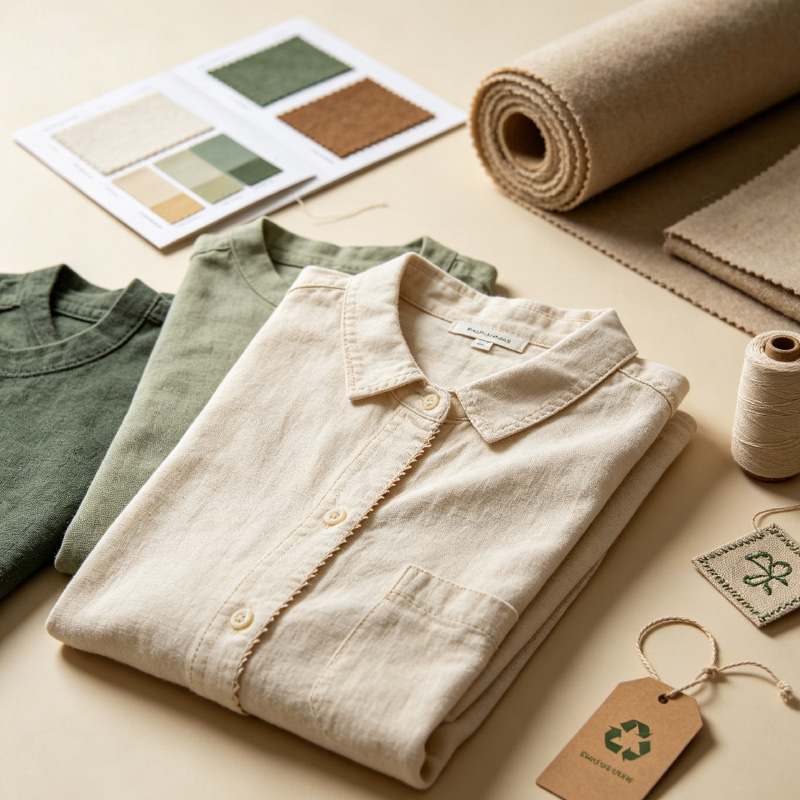
Flexible Garment Customization & Refined OEM Service
Focusing on high-end apparel customization and production, we adopt refined craftsmanship and flexible production modes. We support personalized tailoring, fabric upgrading and brand OEM processing, strictly controlling every procedure to deliver textured and high-stable garments for domestic and overseas clients.
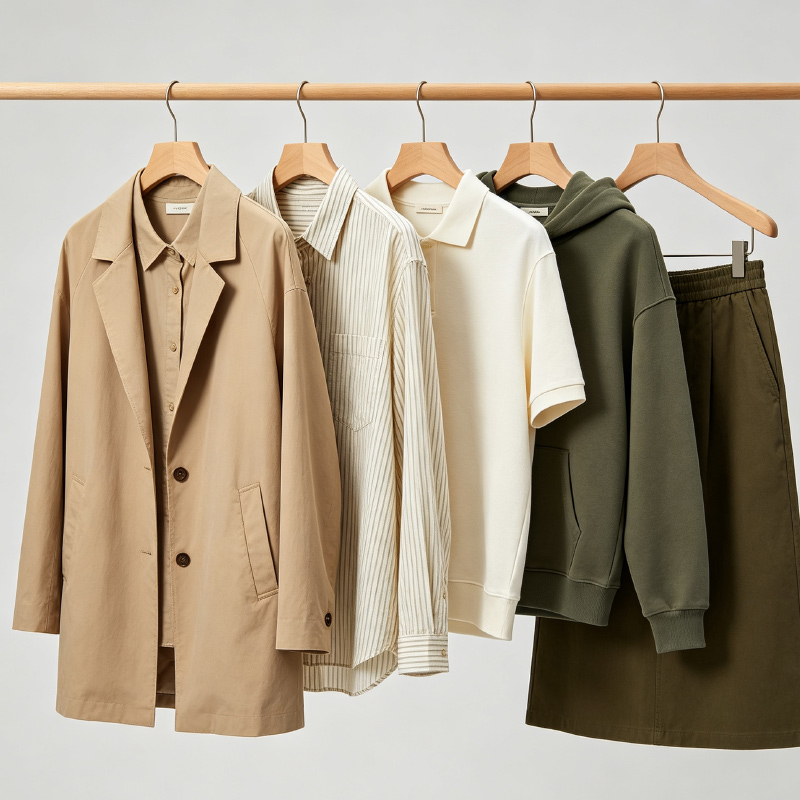
High-End Apparel Customization & Quality OEM Service
Specializing in luxury apparel design and production, we focus on fine workmanship, premium fabrics and flexible customization. With full-process quality control from sample development to bulk shipment, we provide high-texture and high-stability custom OEM support for global clothing brands.
Apparel Full-Case Customization & Refined Production Service
Focusing on high-end garment R&D and customized production, we rely on high-quality fabric resources, exquisite production technology and flexible customization modes. We solve brand apparel design, revision and mass production needs in one stop, providing reputable custom clothing solutions for global clients.